

Introduction
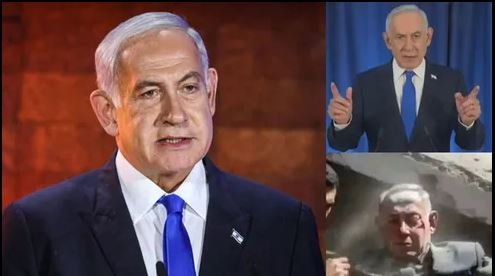
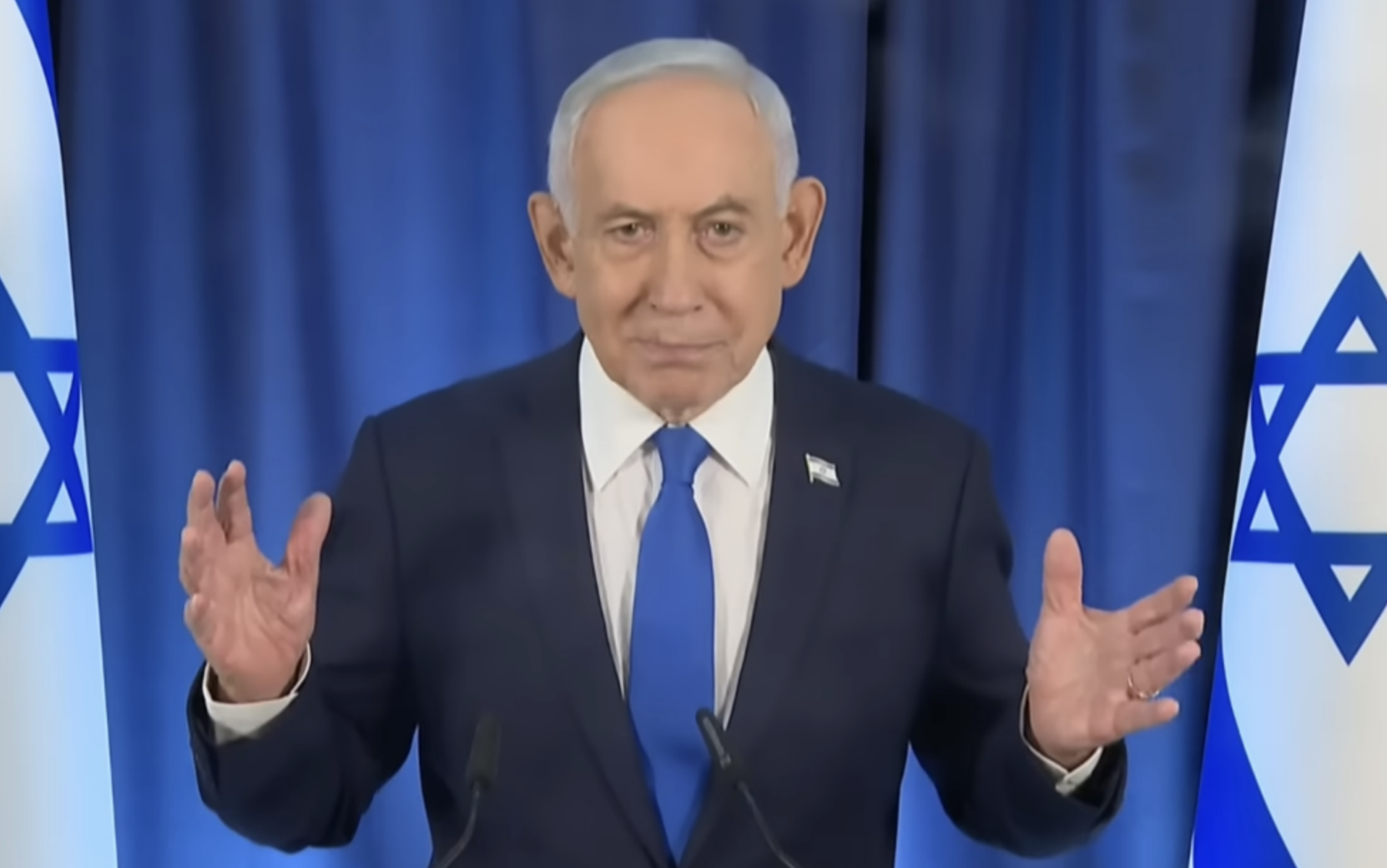
In March 2026, social media platforms were flooded with claims that Benjamin Netanyahu had died during the escalating tensions between Israel and Iran.
Posts on X, Telegram, and other platforms suggested that the Israeli prime minister had either been killed in a missile strike, injured in a secret attack, or replaced with an AI-generated video. Within hours, the rumours spread globally, raising questions about whether the claims were true.
However, fact-checks and official statements confirmed that Netanyahu was alive, and the viral reports were largely based on misinformation, edited visuals, and wartime propaganda.
This article explains how the rumours started, why they spread so quickly, and what the verified facts actually are.
1. The Viral “Six Fingers” Video That Sparked the Rumour


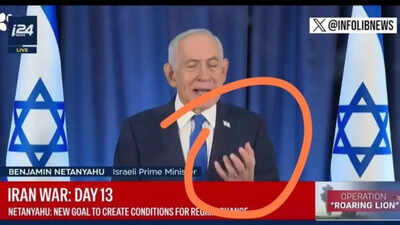
One of the main triggers behind the rumour was a viral video clip showing Netanyahu delivering a speech.
In a specific frame of the video:
- Some viewers claimed his hand appeared to have six fingers.
- This led to speculation that the footage was AI-generated or deepfake.
- Social media users began claiming that the real Netanyahu had died and a fake video was being used.
However, digital analysts and fact-checking organizations later determined that:
- The clip showed motion blur and overlapping fingers, which created the illusion.
- The original video footage came from a real public appearance.
- No evidence suggested that it was generated by artificial intelligence.
2. Fake Screenshots Claiming Netanyahu Had Died
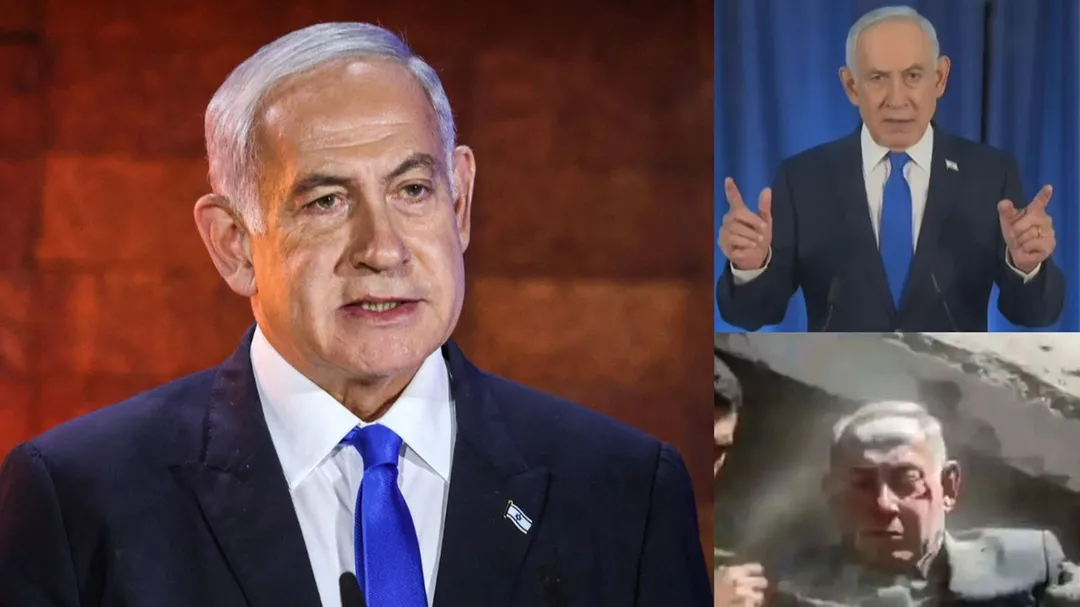

Another major factor behind the spread of the rumour was fake screenshots circulating online.
Several viral posts claimed:
“Breaking: Netanyahu has died.”


These screenshots appeared to look like official posts or news alerts.
However, investigations found that:
- The screenshots were fabricated images.
- No verified account or official news agency published such a statement.
- The posts were likely created specifically to trigger viral panic and political speculation.
This is a common tactic in misinformation campaigns where edited graphics mimic legitimate news alerts.
3. AI-Generated Images Added Fuel to the Rumours

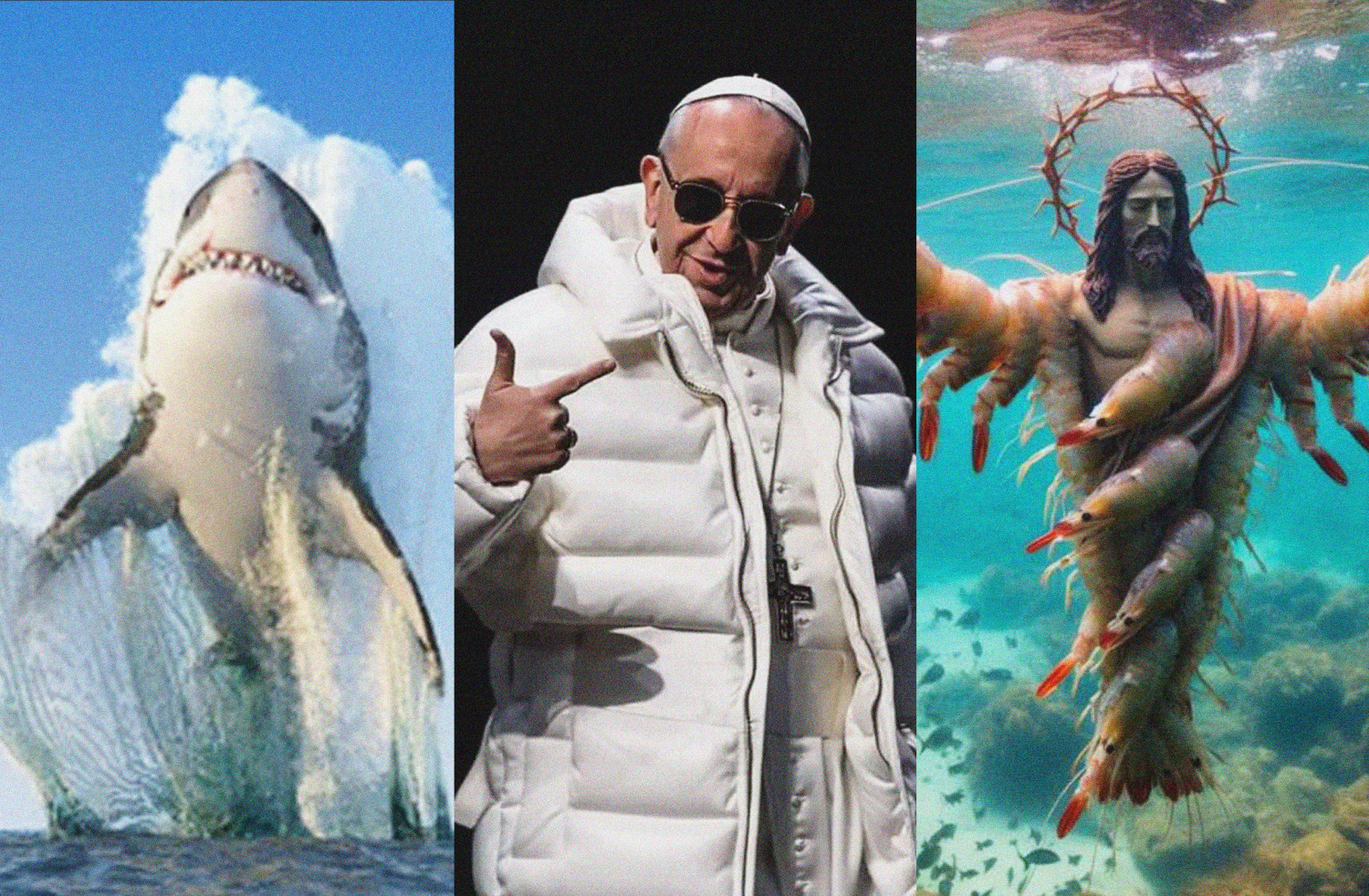

As the rumours gained momentum, several AI-generated images began circulating online.
These images appeared to show:
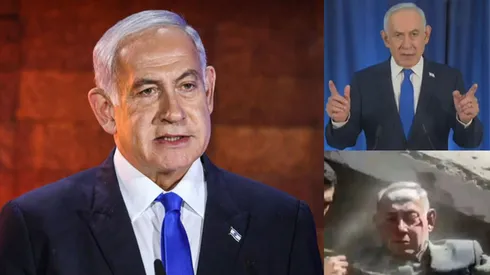
- Netanyahu lying injured in a hospital bed
- Scenes of an alleged missile attack
- Emergency military situations involving Israeli leadership
Experts analysing the visuals identified several signs that the images were synthetically generated, such as:
- distorted backgrounds
- inconsistent lighting
- unrealistic facial details
These visuals were quickly debunked by fact-checking platforms.
4. Iran-Israel Tensions Created a Perfect Environment for Rumours


The rumours also spread rapidly because of the ongoing geopolitical tensions between Israel and Iran.
During periods of high conflict:
- Information warfare often accompanies military tension.
- Competing narratives are pushed through social media.
- Unverified claims spread rapidly before official clarification arrives.
Analysts say rumours about leadership deaths are a common tactic in wartime propaganda, used to:


- demoralize the opponent
- create confusion
- influence public opinion
In this case, the tense regional situation made people more likely to believe dramatic claims.
5. Netanyahu’s Reduced Public Appearances Raised Suspicion
Another factor that intensified the rumours was Netanyahu’s temporary absence from public media appearances.
During high-level security crises:
- leaders often move to secure locations or war rooms
- public schedules are limited
- communication is controlled for security reasons
This temporary lack of visibility created speculation that something serious had happened to him.
But later reports confirmed that Netanyahu was actively participating in security meetings and military briefings.
6. Verified Facts: Is Netanyahu Alive?
Based on verified reports and official information:
- Benjamin Netanyahu is alive.
- There is no confirmed assassination attempt against him.
- Viral claims about his death were based on misinformation and manipulated content.
The rumours demonstrate how quickly false narratives can spread online, especially during geopolitical crises.
Conclusion
The claim that Benjamin Netanyahu had died in 2026 turned out to be a classic example of modern digital misinformation.
The rumour spread due to a combination of:
- a misleading viral video
- fake screenshots
- AI-generated images
- geopolitical propaganda
- speculation during wartime tensions
While the internet can spread information quickly, it can also amplify unverified and misleading claims just as fast.


The Netanyahu death rumour highlights the importance of checking credible sources before believing or sharing viral news.
FAQ Content
Q1: Did Benjamin Netanyahu die in 2026?
No. Benjamin Netanyahu is alive. Viral social media posts claiming his death were based on misinformation, edited videos, and AI-generated images.
Q2: Why did rumours about Netanyahu’s death spread online?
The rumours started after a viral video where some users believed Netanyahu appeared with six fingers, leading to claims that the footage was AI-generated. Fake screenshots and manipulated images also contributed to the confusion.
Q3: Was there an assassination attempt on Netanyahu?
There is no verified report confirming any assassination attempt on Benjamin Netanyahu. The claims circulating online were not supported by official sources.
Q4: Were the viral Netanyahu injury photos real?
No. Several images circulating online were identified as AI-generated or digitally manipulated visuals created to spread misinformation.
Q5: Why do such rumours spread during geopolitical conflicts?
During international conflicts, misinformation and propaganda often spread quickly on social media. False claims about political leaders are sometimes used to influence public opinion or create panic.
