🧭 Introduction
Pollution has become one of the most serious global challenges of the 21st century. Rapid industrialization, urbanization, and population growth have significantly increased the levels of pollution in our environment. From the air we breathe to the water we drink and the soil that grows our food—everything is being affected.
Human health is directly linked to environmental quality. As pollution levels rise, so do health risks. This blog explores the different types of pollution, their effects on human health, and the steps we can take to protect ourselves and the environment.
🌫️ Types of Pollution
🌫️ Air Pollution: Causes, Effects & Prevention
Air pollution is one of the most dangerous environmental issues affecting human health today. With increasing vehicles, industries, and urbanization, the quality of air is rapidly declining—especially in countries like India. Breathing polluted air daily can lead to serious health problems, some even life-threatening.
This guide covers everything about air pollution in a simple and powerful way.




Air pollution occurs when harmful substances like gases, dust, and smoke enter the atmosphere. Major sources include vehicle emissions, industrial discharge, burning of fossil fuels, and construction activities.
🚗 1. Vehicle Emissions
Cars, bikes, and trucks release harmful gases like carbon monoxide and nitrogen oxides.

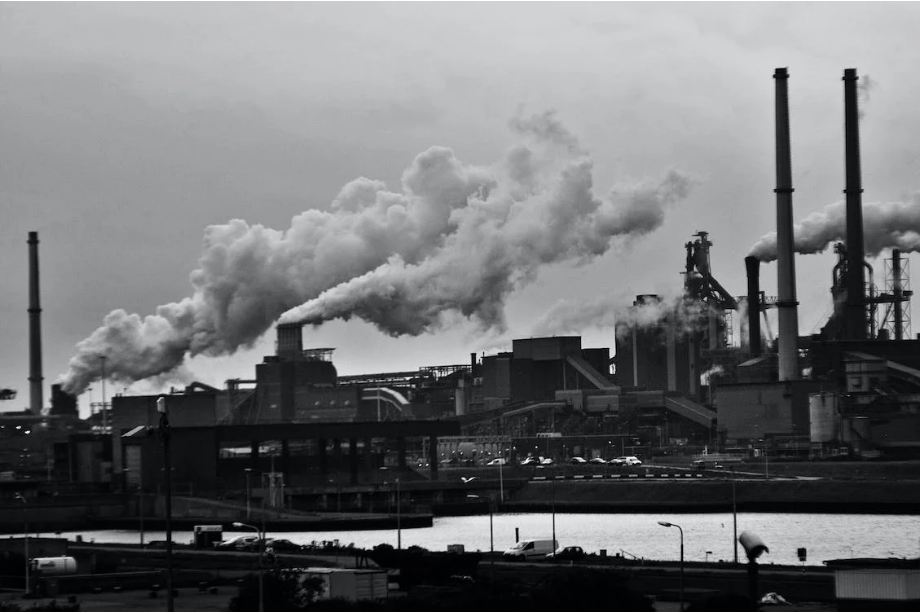
🏭 2. Industrial Pollution
Factories emit toxic smoke and chemicals into the atmosphere.
🔥 3. Burning of Fossil Fuels
Coal, petrol, and diesel burning produce major pollutants.
🏗️ 4. Construction Dust
Dust from construction sites increases particulate matter (PM2.5 & PM10).
🌾 5. Crop Burning
Burning of agricultural waste significantly increases air pollution, especially in North India.
Common Pollutants:


- Carbon monoxide (CO)
- Sulfur dioxide (SO₂)
- Nitrogen oxides (NOx)
- Particulate matter (PM2.5, PM10)
2. 💧 Water Pollution: Causes, Effects & Prevention
Water is essential for life, yet it is increasingly becoming polluted due to human activities. Clean water is necessary for drinking, agriculture, and daily use, but contamination of water sources is now a major global problem.
Water pollution not only harms aquatic life but also poses serious risks to human health. This guide explains everything in a clear and practical way.


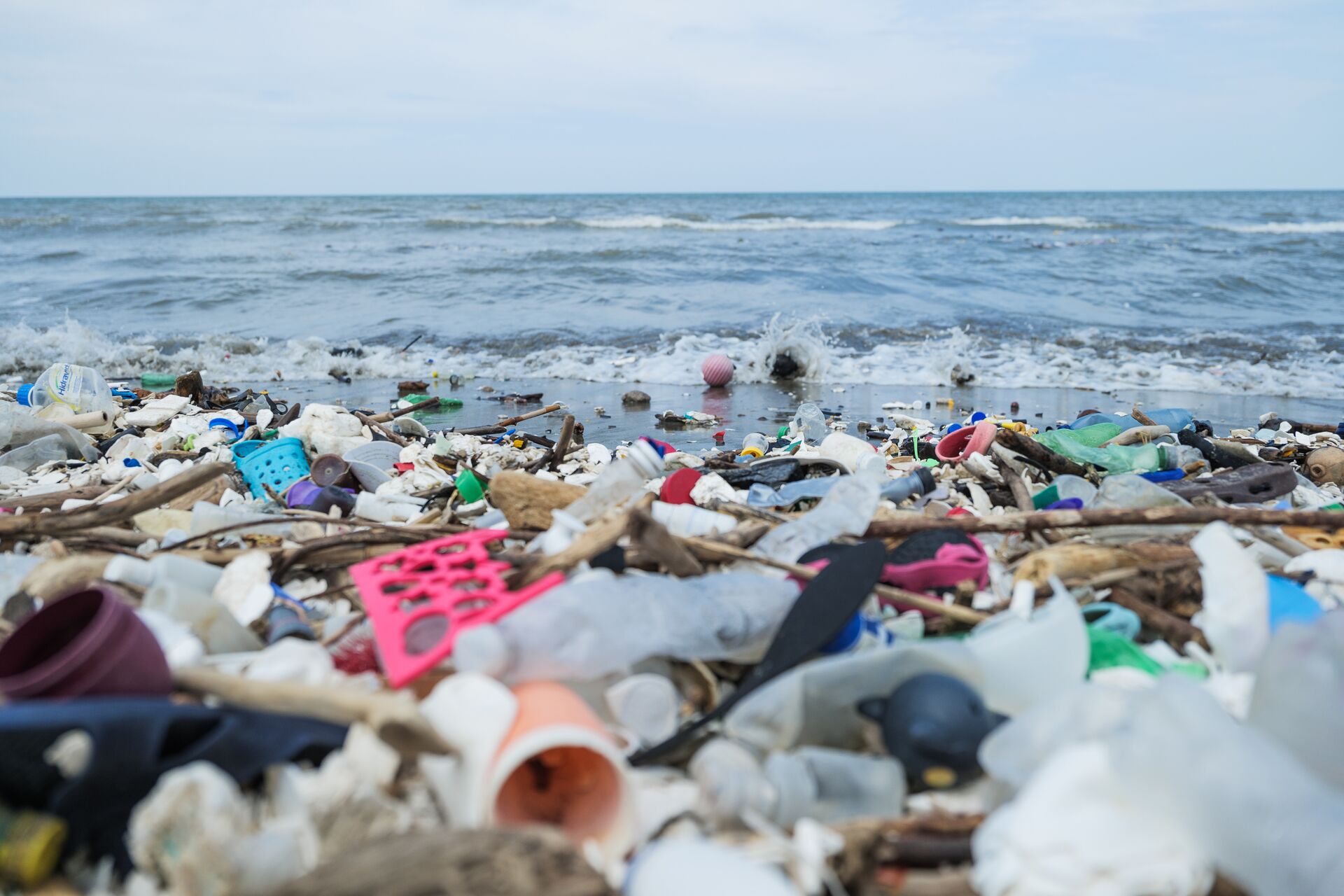


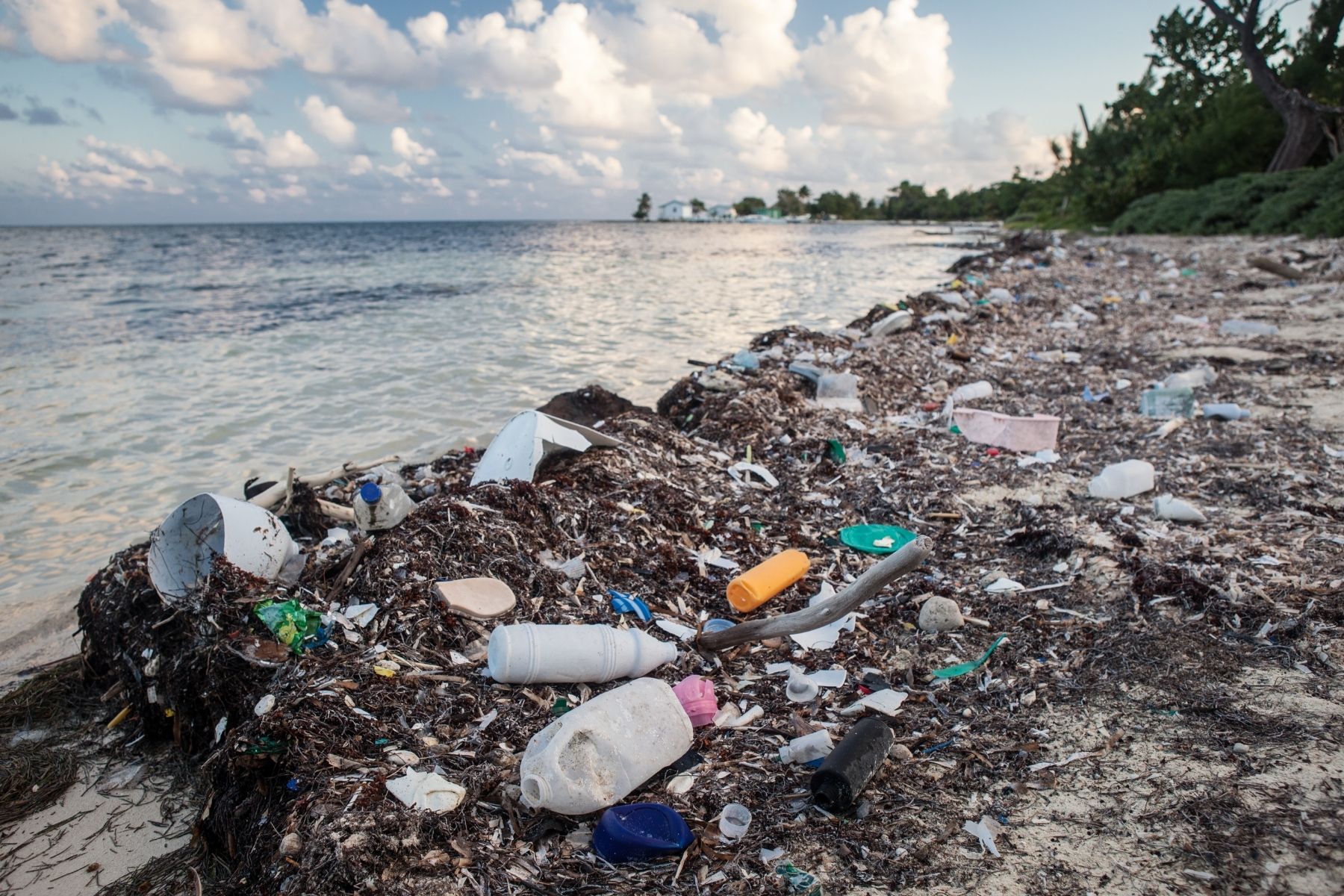
Water pollution happens when harmful substances contaminate rivers, lakes, and groundwater. Industrial waste, sewage, and plastic waste are major contributors.
🏭 1. Industrial Waste
Factories release toxic chemicals and untreated waste directly into water bodies.
🚽 2. Sewage & Domestic Waste
Untreated sewage from homes carries bacteria and harmful substances into rivers and lakes.
🛢️ 3. Oil Spills
Oil leakage from ships and industries pollutes oceans and harms marine life.


🌾 4. Agricultural Runoff
Fertilizers and pesticides from farms flow into water sources during rainfall.
🧴 5. Plastic & Solid Waste
Plastic waste dumped into water bodies is a major cause of pollution.
3. 🌱 Soil Pollution: Causes, Effects & Prevention
Soil pollution occurs when toxic substances such as chemicals, waste, or contaminants enter the soil and reduce its quality, making it harmful for plants, animals, and humans.
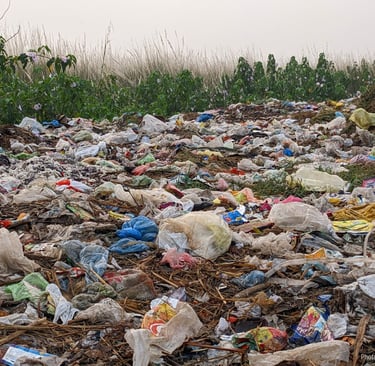
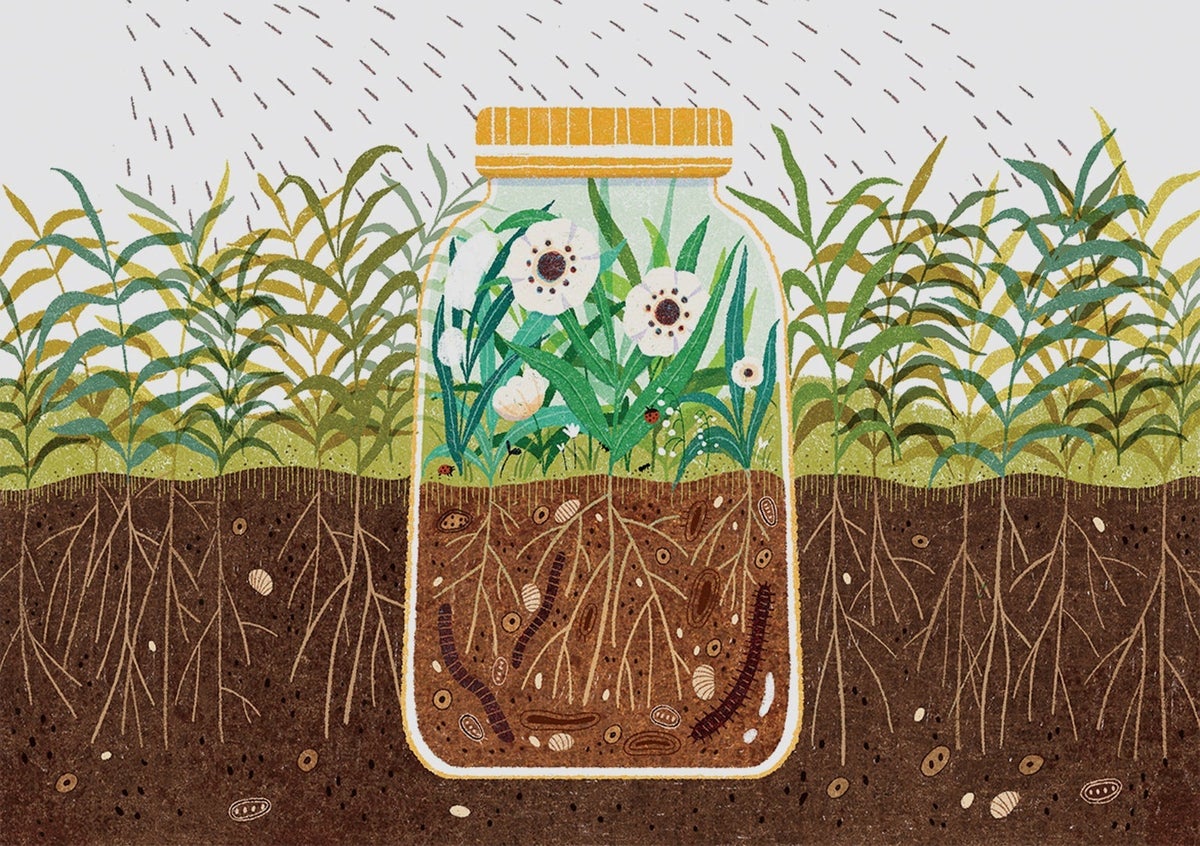


Soil is one of the most valuable natural resources—it supports agriculture, ecosystems, and human life. But today, soil pollution is becoming a serious environmental and health concern. Harmful chemicals, waste dumping, and excessive use of pesticides are degrading soil quality worldwide.
This guide explains everything you need to know about soil pollution in a simple and practical way.
1. Industrial Waste
Factories release harmful chemicals and heavy metals into the soil, making it toxic.
2. Agricultural Activities
Excessive use of:


- Pesticides
- Fertilizers
- Herbicides
These chemicals damage soil fertility over time.
3. Improper Waste Disposal
Dumping of garbage, plastics, and e-waste directly into landfills pollutes soil.
4. Urbanization & Construction
Construction activities destroy soil structure and reduce its natural nutrients.
5. Oil Spills & Mining
Leakage of oil and mining activities introduce harmful substances into the soil.
4. 🔊 Noise Pollution: Causes, Effects & Prevention
Noise pollution is an often ignored but serious environmental problem. Unlike air or water pollution, noise cannot be seen—but it deeply affects human health and well-being. Rapid urbanization, traffic, construction, and industrial activities have significantly increased noise levels, especially in cities.
Continuous exposure to loud noise can harm both physical and mental health.

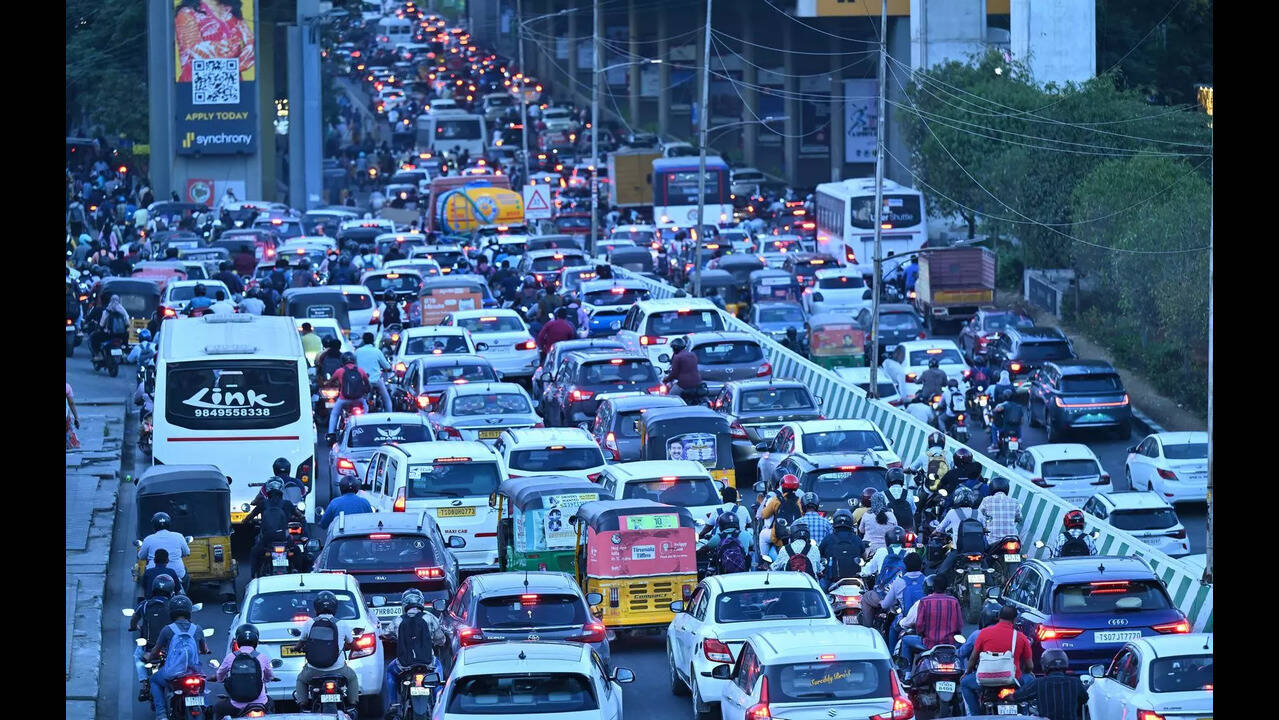
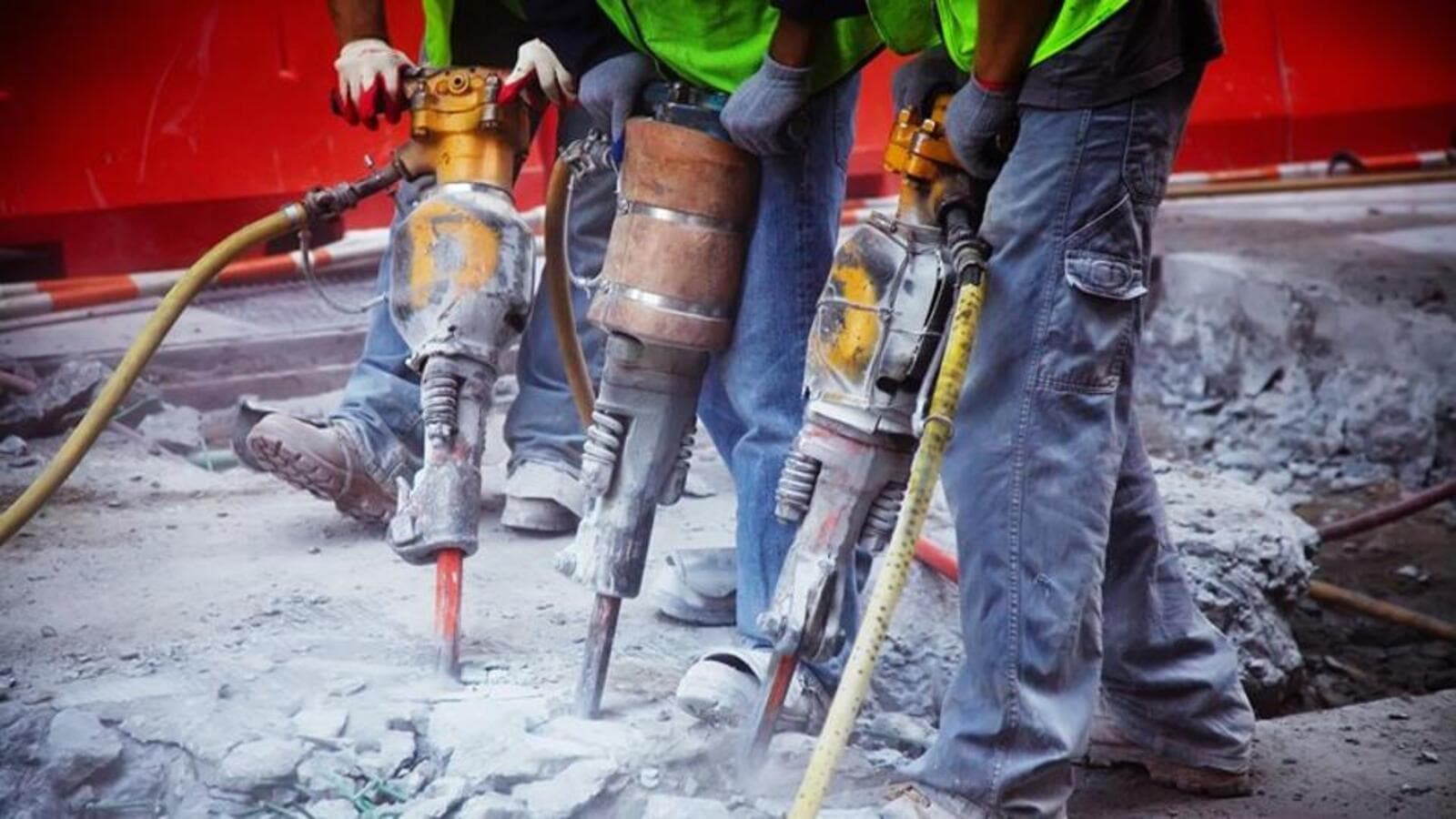

Noise pollution refers to excessive or harmful levels of noise from traffic, construction, industries, and loudspeakers.
🚗 1. Traffic Noise
- Vehicles, horns, and engines
- Major source in urban areas
🏗️ 2. Construction Activities
- Drilling, hammering, heavy machinery
- Common in developing cities
🔊 3. Loudspeakers & Events
- Festivals, weddings, public gatherings
- High-volume music and announcements
✈️ 4. Air Traffic
- Aircraft takeoff and landing create intense noise
🏭 5. Industrial Noise
- Machines and factory operations produce continuous loud sounds
🏥 Effects of Pollution on Human Health
🌬️ 1. Respiratory Diseases
Air pollution is one of the leading causes of respiratory problems such as:
- Asthma
- Bronchitis
- Lung infections
- Chronic Obstructive Pulmonary Disease (COPD)
Fine particles (PM2.5) can enter deep into the lungs and even reach the bloodstream.
❤️ 2. Cardiovascular Problems
Polluted air increases the risk of:
- Heart attacks
- High blood pressure
- Stroke
Long-term exposure can damage blood vessels and the heart.
🧠 3. Neurological Effects
Toxic pollutants can affect brain function, leading to:
- Memory loss
- Reduced cognitive ability
- Increased risk of neurological disorders
Children are especially vulnerable to these effects.
💧 4. Waterborne Diseases
Contaminated water can cause:


- Cholera
- Typhoid
- Diarrhea
- Hepatitis
Lack of clean drinking water is still a major issue in many regions.
🌾 5. Impact on Food and Nutrition
Soil pollution affects crop quality, leading to:
- Reduced nutritional value
- Toxic food contamination
- Increased risk of food poisoning
🔊 6. Mental Health and Stress
Noise pollution can lead to:
- Sleep disturbances
- Anxiety
- Hearing loss
- Increased stress levels
👶 Impact on Vulnerable Groups
Certain groups are more affected by pollution:
- Children (developing lungs and brain)
- Elderly people
- Pregnant women
- People with pre-existing health conditions
🌍 Environmental and Long-Term Effects
Pollution not only affects individuals but also:


- Contributes to climate change
- Reduces biodiversity
- Affects ecosystems and food chains
🛡️ Prevention and Control Measures
✅ Individual Actions
- Use public transport or carpool
- Avoid plastic use
- Save water and electricity
- Wear masks in highly polluted areas
- Plant trees
🏛️ Government Actions
- Strict pollution control laws
- Promote renewable energy
- Improve waste management systems
- Monitor industrial emissions
🏫 Awareness and Education
- Educating people about pollution risks
- Encouraging eco-friendly habits
- Community clean-up programs
📊 Conclusion
Pollution is not just an environmental issue—it is a serious health crisis. The impact of pollution on human health is vast and alarming, affecting every organ system in the body. Immediate action is required at individual, community, and government levels.
By adopting sustainable practices and spreading awareness, we can reduce pollution and ensure a healthier future for generations to come.
❓ FAQs
➤ What is the most harmful type of pollution?
Air pollution is considered the most harmful due to its direct impact on breathing and cardiovascular health.
➤ How can pollution affect children?
It can affect lung development, brain function, and overall growth.
➤ Can pollution cause cancer?
Yes, long-term exposure to pollutants like toxic chemicals and particulate matter can increase cancer risk.

➤ How can we reduce pollution at home?
Use eco-friendly products, reduce waste, conserve energy, and avoid burning materials.
