The International Monetary Fund (IMF) is a global organization created to maintain stability in the international monetary system — that means keeping currencies, trade, and economies running smoothly across countries.
It was established in 1944 during the Bretton Woods Conference, after World War II, when many countries’ economies were unstable. The idea was to create a system where countries could cooperate and avoid future economic crises.
Today, IMF has 190+ member countries, including India, and its headquarters is in Washington, D.C.
⚙️ Detailed Work (Functions) of IMF
1. 💰 Financial Assistance (Loans to Countries)


The IMF provides loans to countries facing economic problems, especially when they cannot pay their international debts.
👉 Why countries need IMF loans:
- Shortage of foreign currency (like dollars)
- High inflation
- Trade imbalance (imports > exports)
- Economic crisis (like recession)
👉 Conditions (Important):
IMF loans are not free — countries must follow certain rules called “conditionalities”, such as:
- Reduce government spending
- Increase taxes
- Control inflation
📌 Example: Countries like Sri Lanka and Pakistan have taken IMF help during financial crises.
2. 📊 Economic Surveillance (Monitoring the World Economy)
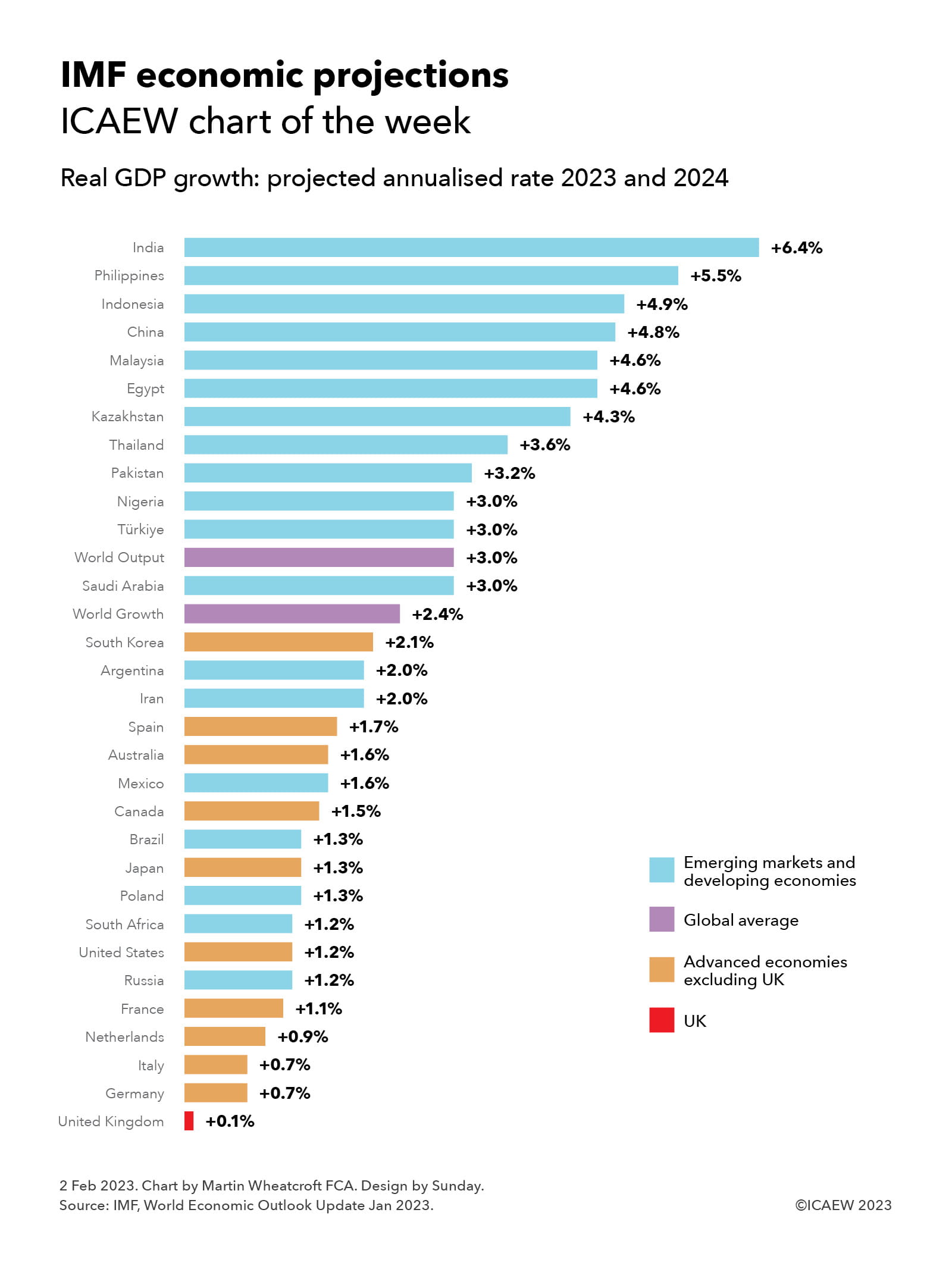

IMF continuously monitors the economic health of all member countries.
👉 What IMF does:
- Studies GDP growth, inflation, unemployment
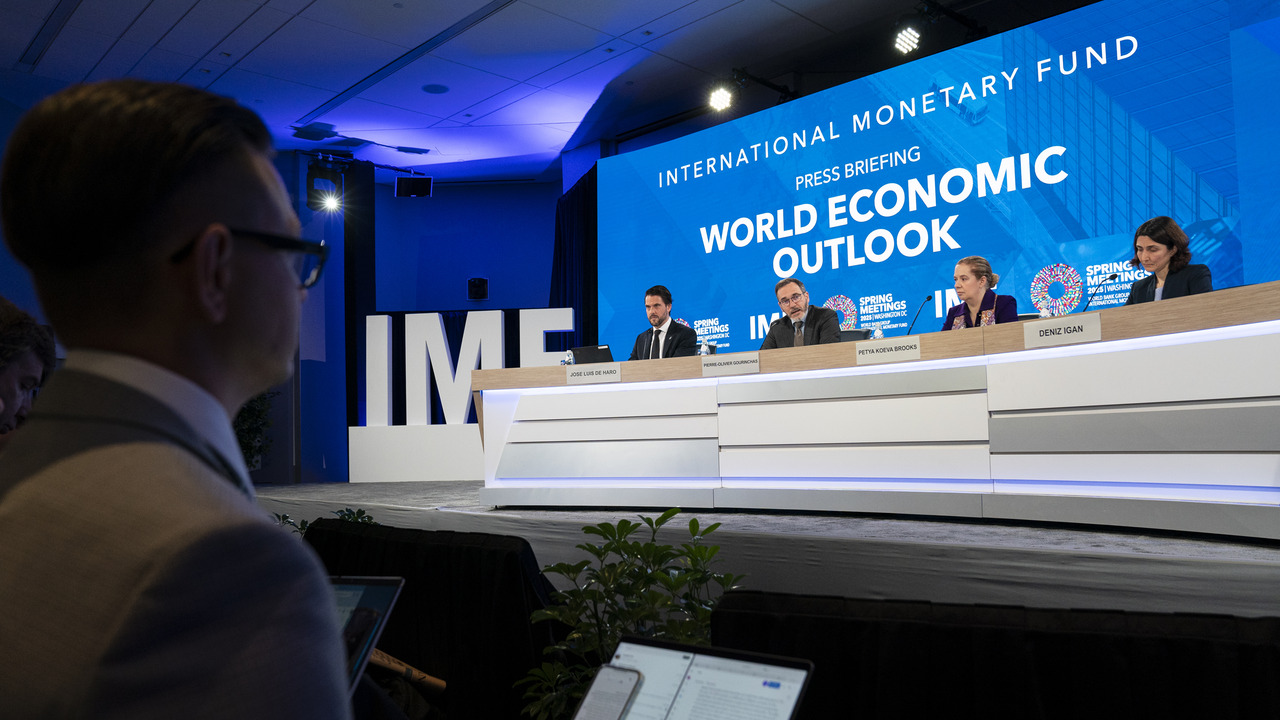
- Publishes reports like World Economic Outlook
- Gives policy advice to governments
📌 Example: IMF may suggest India to control inflation or improve fiscal discipline.
3. 🧠 Technical Assistance & Training


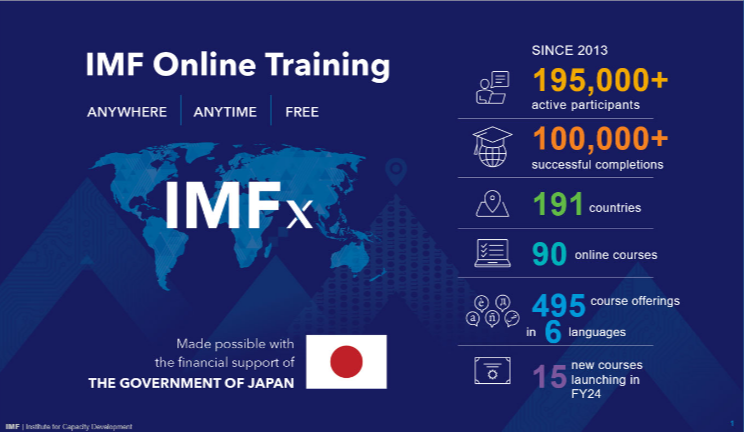
IMF helps countries improve their economic systems and institutions.
👉 Areas of support:
- Tax system (GST, revenue collection)
- Banking system (RBI-type institutions)
- Budget planning
- Data collection and statistics
📌 This is especially useful for developing countries.
4. 🌐 Promoting Global Monetary Cooperation

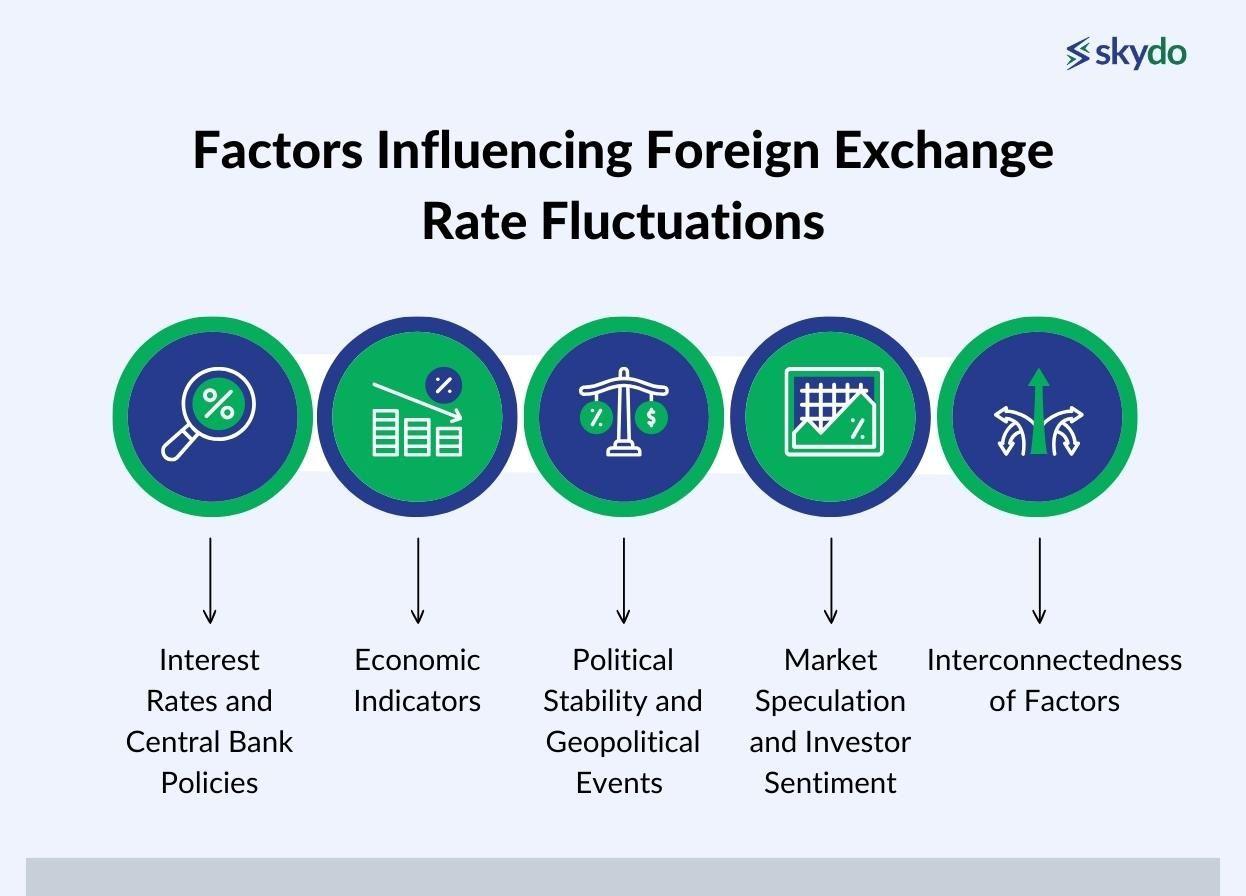
IMF promotes cooperation between countries to ensure smooth global trade and stable currencies.
👉 Key goals:
- Stable exchange rates (avoid sudden currency crash)
- Increase international trade
- Reduce poverty indirectly through growth
5. 💱 Maintaining Exchange Rate Stability
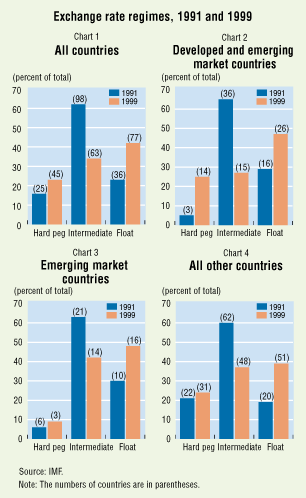

IMF ensures that countries do not manipulate their currency unfairly.
👉 Why important:
- Stable currency = stable trade
- Prevents economic shocks in global markets
📌 Role of IMF in India 🇮🇳
India is a founding member of IMF.
👉 IMF helped India in:
- 1991 Economic Crisis → India took IMF loan when it had very low foreign reserves
- Suggested reforms like:
- Liberalization (opening economy)
- Privatization
- Globalization
📌 These reforms helped India grow faster economically.
⚠️ Criticism of IMF
While IMF is important, it is also criticized:
- Conditions on loans can be very strict
- May affect poor people (due to reduced subsidies)
- Seen as favoring developed countries sometimes
🧾 Conclusion (Easy Summary)
IMF is like a global financial doctor:
- Gives loans to countries in crisis
- Monitors economic health worldwide
- Provides training and advice
- Maintains global financial stability
👉 Without IMF, many countries could face serious economic collapse during crises.
❓ FAQ Section (SEO Friendly)
1. What is IMF in simple words?
The International Monetary Fund (IMF) is a global organization that helps countries maintain economic stability and provides financial help during crises.
2. What are the main functions of IMF?
The main functions of IMF are:
- Providing financial assistance (loans)
- Monitoring global economies
- Offering policy advice
- Giving technical training to countries
3. Why was IMF created?
IMF was created in 1944 after World War II to prevent economic crises and promote international financial cooperation.
4. How does IMF help countries?
IMF helps countries by:
- Giving emergency loans
- Suggesting economic reforms
- Stabilizing currency and trade
5. Is India a member of IMF?
Yes, India is a founding member of the IMF and has received support during the 1991 economic crisis.
6. What is IMF loan?
An IMF loan is financial help given to a country facing economic problems, but it comes with certain conditions like economic reforms.
7. What is the difference between IMF and World Bank?
IMF focuses on economic stability and short-term loans, while the World Bank focuses on long-term development projects.
8. Where is IMF headquarters located?
The IMF headquarters is located in Washington, D.C., USA.